Tent Peak climbing combine ABC
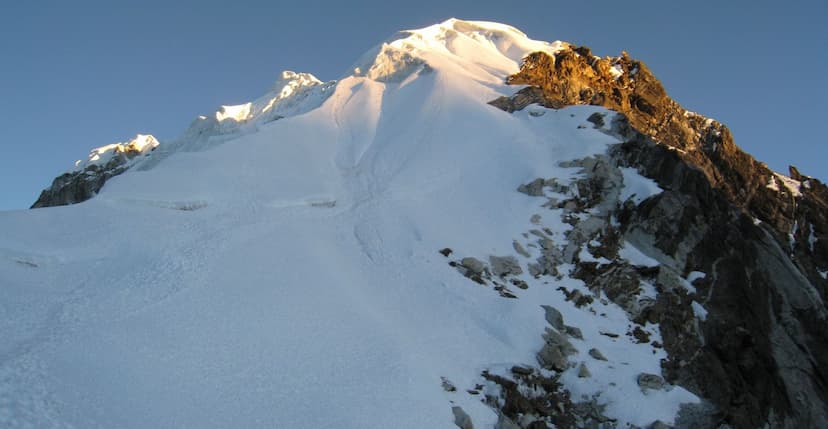
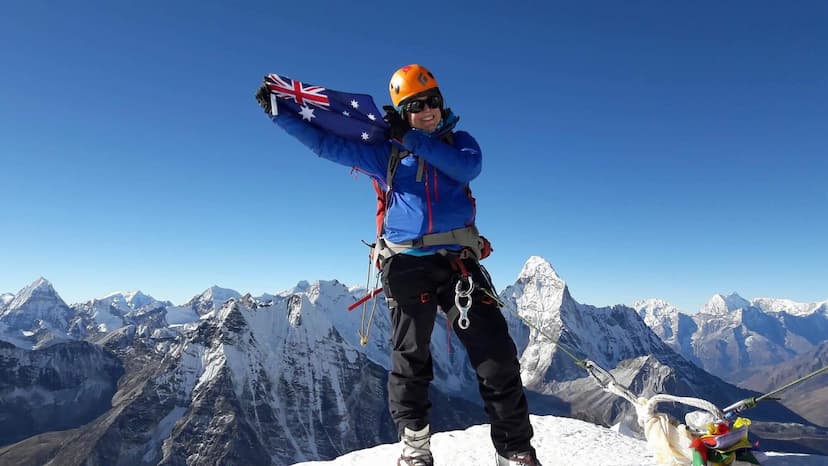
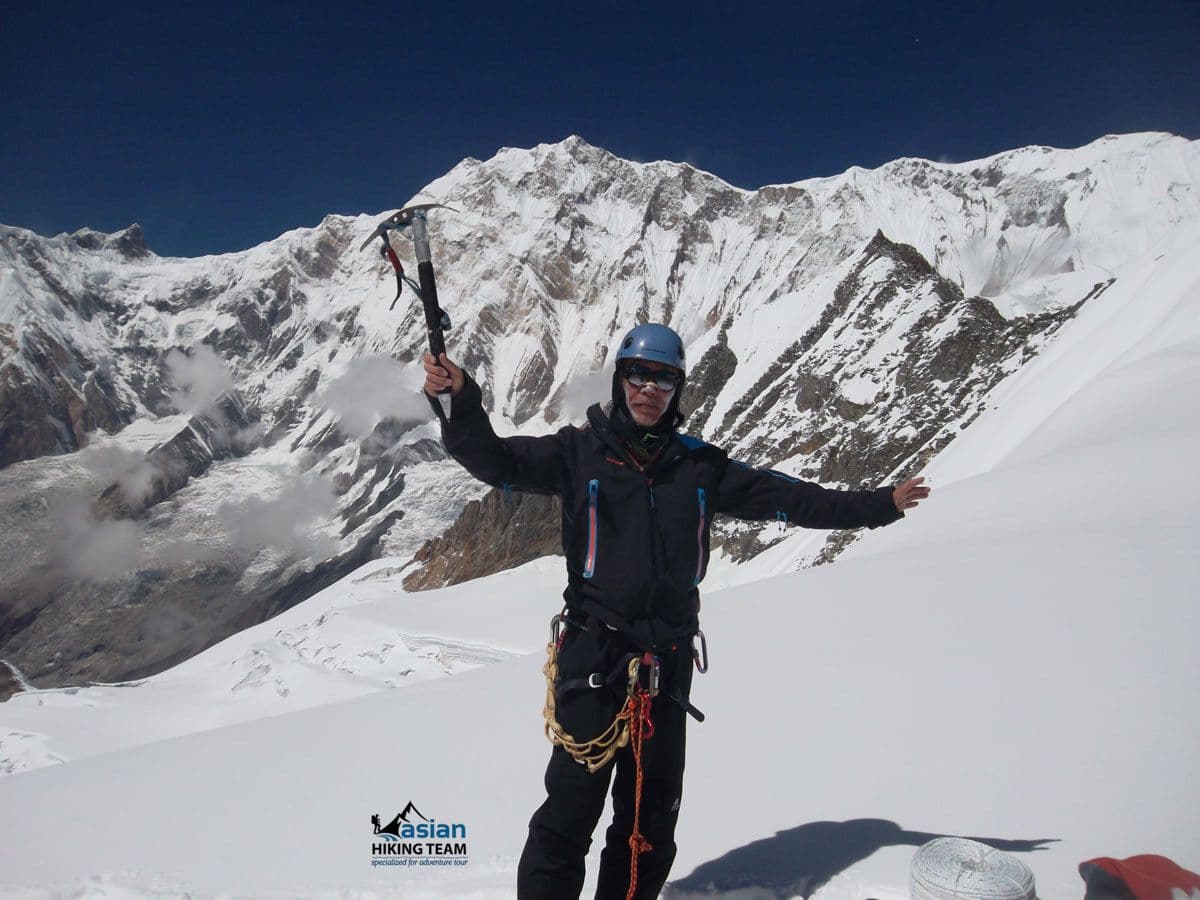
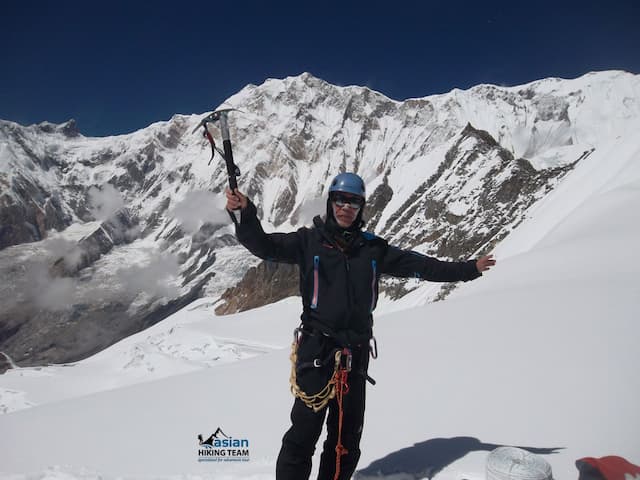
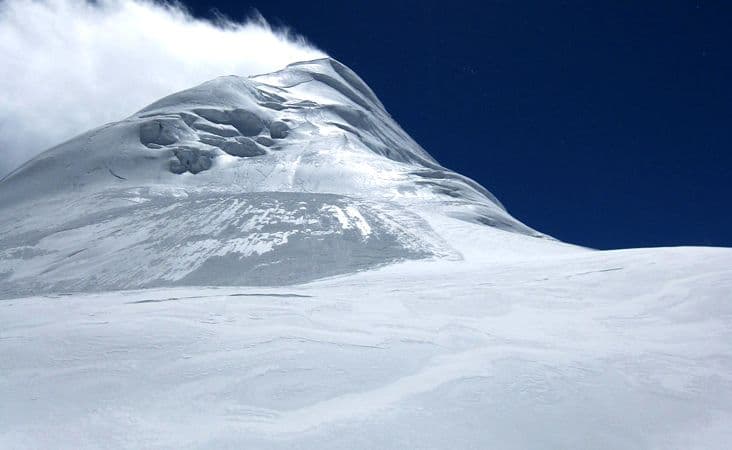
Tent Peak also known as Tharpu Chuli. Tent Peak (5663 m) is one of the trekking peak in Nepal.
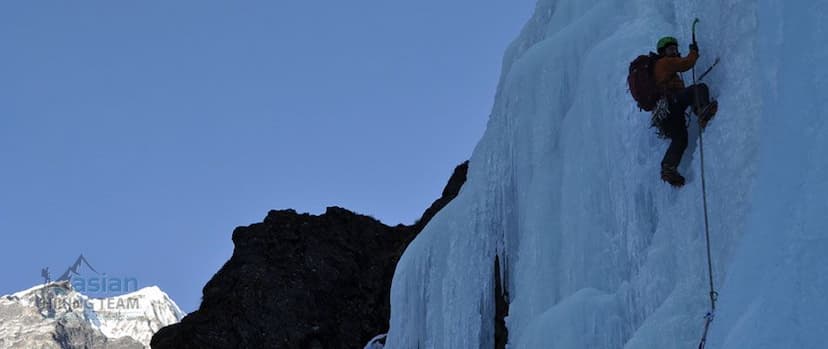
Tent Peak also known as Tharpu Chuli. Tent Peak (5663 m) is one of the trekking peak in Nepal. Tharpu peak has been a nice central position in the Annapurna Sanctuary. The ascent requires ice climbing equipment.
Before to climb Tent peak it was necessary a climbing permit from Nepal Mountaineering Association (NMA), but as of 2017 NMA has removed Tharpu Chuli from its list. Now any climbers can climb that peak without permit. It is not technical climbing but requires necessity climbing equipment and set Base camp and High camp too. The moving rock, snow and ice is the main difficulty of that peak.
To reach the tent peak base camp there are server ways until Chhumrung either you can directly go from Nayapul to Chhumrung all the way to Annapurna Base Camp or you can make Ghorepani Circuit trek than heading to Chumrung then Annapurna Base Camp or you can
Trip Facts
Group Size
02 to 20 pax
Maximum Elevation
5663m
Location
western part of Nepal – Annapurna Conservation area
Route
Northwest ridge
Grade
Mountaineering I
Best Season
Autumn (Sep. to Nov.) and spring (March to May)
Accommodation
Hotel/Lodge and camping
Transportation
Drives To/ from Pokhara continues to Nayapul
Perfect introduction to Himalayan alpine climbing
Breathtaking views from the summit of Annapurna and Dhaulagiri ranges
Combines trekking in the beautiful Annapurna Sanctuary with a technical peak climb
Less crowded than Island Peak or Mera Peak
Requires no prior climbing permit from NMA
Managed by Asian Hiking Team with expert Sherpa guides and full climbing support
Spring (April–May) for rhododendron blooms; Autumn (September–November) for stable weather
- Kathmandu to Pokhara by tourist bus both way.
- Pokhara to Phedi/Nayapul to Pokhara transport both way (Trekking starting and ending land transport as itinerary).
- Hotel in Pokhara with breakfast as itinerary (here are so many options, we provide on cost 3-star hotel if you want higher star please add on option).
- Accommodation during the trekking: Single/Twin-sharing room with wooden beds, foam mattresses, and blankets (bring a sleeping bag for extra warmth/hygiene). Most of the place have shared toilets (usually Asian-style squat or Western toilets). Some of the place has attached toiled. Hot showers available (on extra cost). Higher up, hot water is scarce.
- Tented Camping: North face Tented Camp, Dom Tent, kitchen/dinning/toilet Tents, matters, all kitchen camping equipment, and cooking fuel during the climbing/mountaineering as itinerary.
- Camping / Upper camps’ meals: Breakfast, Lunch and Dinner with hot drinks, high foods etc.
- Snacks for climbing: Pack energy bars, nuts, chocolate, or local chyura (beaten rice) for quick energy boosts between meals during the climbing/expedition only.
- Breakfast: Porridge/Oatmeal (often with honey, fruits, or nuts), eggs (fried, scrambled, or omelets with veggies), Pancakes (served with jam, honey, or peanut butter), Muesli/Cornflakes (with hot or cold milk), Tea/Coffee (black, milk tea, or ginger lemon honey tea) etc.
- Lunch: Dal Bhat (Nepali staple: lentil soup, rice, vegetable curry, and pickles—unlimited refills!), Noodles/Pasta (fried noodles, soup (garlic, mushroom, or veggie—popular for warmth and hydration) etc.
- Dinner: Dal Bhat, Curries (veggie, potato, or chicken with rice or chapati), Thukpa (local noodle soup), Fried Rice/Noodles, Desserts (apple pie, rice pudding, or Snickers rolls etc.).
- Annapurna Conservation permit / Entrance fees.
- TIMS permit, if require.
- Local Entry permit / Entrance fees.
- Entrance fees in Monastery/temple.
- Trekking/climbing Guide: A First Aid and Eco trained & Government licensed holder professional equipped English-speaking climbing/mountaineering Sherpa guide.
- Support Sherpa: if the group size more than six persons, we provide one extra Sherpa to support the group.
- Porters: One Porter between each 2 members while on trek (Maximum weight for a porter is 25 Kg). If you are single booking the porter cost need to pay extra, please add the cost add on option.
- Accommodation, meals, daily salary, equipment, transportation & Insurance of Asian Hiking Team staffs (guide, Sherpa, porter).
- Peak Climbing/trekking Map /Itinerary: Asian Hiking Team provides free a copy of trekking map /trekking/peak Itinerary to our client.
- Group Climbing equipment such as fix ropes, main ropes Ice tool, Ice screws, Ice Bar, Carabineers, Locking carabineers, Short-5- millimeter accessory cords, Slings etc.
- T-short: Asian Hiking Team provide the company T-short for a souvenir.
- Certificate: Asian Hiking Team provide Trekking/Hiking/Tour/Climbing success certificate for your memory and awardees.
- First Aid: First aid is the immediate assistance given to someone who is injured or ill until professional medical help is available. Its goal is to preserve life, prevent further harm, and promote recovery. Asian Hiking Team staff carry the basic first aid. You need to bring your own personal medicine with you. If you are trekking in high altitude should be bringing Diamox for acclimatization (125 mg tabs recommended; enough for a week or more). You can buy here in Kathmandu any pharmacy.
- Farewell dinner: Asian Hiking Team provide a farewell dinner with Nepalese cultural programs the last day of the trip.
- Travel & Rescue arrangement service: You should bring insurance, must include emergency air ambulance/helicopter rescue services.
- Accommodation: Asian Hiking Team provide the hotel in Pokhara and during the trekking as itinerary. If you stay an additional day, you need to pay an extra cost.
- Meals: Lunch and Dinner are not includes in Pokhara.
- Hot drinks: Tea/ Coffees/ Hot water, hot showers etc during the hotel/lodge.
- Cold/soft drinks: All cold drinks, alcohol drinks, beer, bottle water etc.
- Snacks: Pack energy bars, nuts, chocolate, or local chyura (beaten rice) for quick energy boosts between meals during the trekking.
- Personal trekking/climbing gears & clothing (some of the equipment is possible to rent in Kathmandu): please check in check list for peak climbing equipment list.
- Personal solar pack (if any) for charging heavy electronics (laptops, professional camera, batteries, etc.).
- Internet / Wi-Fi/Telephone: There are almost all trekking reason you can buy internet/ Wi-Fi service in the hotel. It is also possible to buy the NCAL or NTC Sim card for telephone or use data.
- Insurance: Medical evacuation in case of emergency, expenses incurred due to mishaps, landslide, strikes, political unrest etc. in such case extra will be charged as per actual.
- Kathmandu: During the sightseeing in Kathmandu or Pokhara the entry fees for Temple or Monastery, Durbar Square are not includes on the cost.
- The tip for guide or porter/ Summit bonus: It's a way to show appreciation for good service and is often left as a small present or in addition. Tips are a common practice in many cultures and are often expected for services.
- Porter: Asian Hiking Team provide one porter between two members. If you want to hire the additional porter, the cost in not includes.
- Sherpa/ Guide: If you want personal Sherpa/guide, it is not including on the cost.
| Date | Duration | Status | Booked | Action |
|---|---|---|---|---|
Oct 20, 2026 Nov 2, 2026 | 14 days | Open | 2 | Book Now |
Nov 10, 2026 Nov 23, 2026 | 14 days | Open | 2 | Book Now |
Mar 6, 2027 Mar 19, 2027 | 14 days | Open | Book Now | |
Mar 18, 2027 Mar 31, 2027 | 14 days | Open | Book Now | |
Apr 12, 2027 Apr 25, 2027 | 14 days | Open | Book Now | |
May 12, 2027 May 25, 2027 | 14 days | Open | Book Now | |
Oct 10, 2027 Oct 23, 2027 | 14 days | Open | Book Now | |
Nov 4, 2027 Nov 17, 2027 | 14 days | Open | Book Now |
Tailored add-ons in Nepal trips refer to customizable essentials that enhance and personalize your travel experience, allowing you to align your journey with specific interests, preferences, and schedules. These add-ons can be combined into various types of trips, including trekking, expedition, climbing, cultural tours, wildlife safaris, and adventure activities.
Options include:
- Customized Accommodations: Upgrade from standard lodging to luxury hotels or homestays.
- Helicopter Flights: Option for helicopter transport to the base camp or nearest airport, the cost depends on group size/sharing/private.
- Adventure Activities: Add enough acclimatization days before the peak climbing.
- Training Rock/ice climbing: Add rock and ice climbing training before peak climbing.
- Sherpa/ Guide: If you want extra personal additional Sherpa Mountain guide, add the cost.
- Flexible Scheduling: Adjust dates and durations to fit your needs. The peak climbing depends on weather so make a flexible.
- Cultural & Spiritual Journeys: Include visits to Lumbini, Pokhara, Muktinath...
Asian Hiking Team’s Guides/Sherpa are professionals with proven records of honesty and personal integrity, committed to environmentally responsible climbing practices that minimize ecological impact. Our Climbing Guides possess extensive knowledge of all climbing disciplines, local cultures, customs, and religions, and they enthusiastically share these insights with clients. All Guides are fluent in English and speak additional languages upon request.
Asian Hiking Team’s Climbing Guides/Sherpas bring years of experience and exceptional expertise in all facets of Nepal mountaineering. Each holds a Nepal Government License, Mountaineering Association Accreditation, and Summit Certificates for Nepal Himalayan peaks. Our high-altitude Sherpa guides are qualified through rigorous training from NMA, TAAN, and NATHAM.
Every climbing guide undergoes comprehensive technical training and possesses practical mastery of:
- Rock, ice, and snow climbing techniques;
- High-altitude camp logistics, setup, and operations;
- Advanced safety protocols for high-altitude camping;
- Fixed-rope climbing, belay techniques, and all mountaineering gear usage;
- Oxygen systems, high-altitude nutrition, and...
The difficulty of the climbing or expedition depends on the peak. Trekking peaks are easier than high mountain expeditions, but some of the less high trekking peaks are also technical for climbing.
We have to calculate the grade focus on following topic:
a) Length of trek and walking days /Easy glacier route.
b) Which Mountain and altitude conditions.
c) Average altitude, maximum altitude and average gain/loss per day.
d) Likely prevailing weather conditions and temperature range.
e) Remoteness of local services and general level of comfort.
f) Rock climbing or Ice climbing.
g) Technical climbing and complicated glaciers.
h) Steep climbing or long snow/ice slopes
i) Very difficult Long, serious, remote, and highly technical Climbing over thousands of vertical feet
j) High commitment, and few bivouac sites.
Grade I: Easy glacier rout, average altitude.
Grade II: Half a day or less for the technical portion of the route or not technical but exposed to knife-edged ridges, weather, and altitude.
Grade III: Moderate...
Hotel/ Lodge: Single/Twin-sharing room with wooden beds, foam mattresses, and blankets (bring a sleeping bag for extra warmth/hygiene). Most of the place have shared toilets (usually Asian-style squat or Western toilets). Some of the place has attached toiled. Hot showers available (on extra cost). Higher up, hot water is scarce.
Tented Camping: Tented camping is a classic and essential part of trekking, peak climbing, and expedition in remote areas of the Himalayas where teahouse accommodation is unavailable. Asian Hiking Team provides Tent (2-person or single occupancy Dom and Box tent depends on area and numbers of days), Sleeping mat (foam or inflatable), Dining tent, kitchen tent, toilet tent (group use - for expedition), Kitchen equipment and utensils (carried by support crew), Power bank or solar charger, heater, Generator (for expedition) etc.
Meals: During the hotel/Guest house trekking, there are international menu so you can choose whatever you like. During the camping, our cook...
Here's a detailed overview of transportation options from Kathmandu to Pokhara (200km):
- By Flight (Fastest Option to Pokhara)
- Duration: 25–30 minutes
- Airlines: Buddha Air, Yeti Airlines, Shree Airlines (multiple daily flights) 6
- Departure: Tribhuvan International Airport (KTM), to Pokhara International ariport last flight before 7 PM
- Tourist Bus (Most Popular Road Option) 200KM
- Duration: 6–10 hours (varies due to road works/traffic)
- Departure: daily 7:00 AM from Sorhakhutte Bus Park (near Thamel) and from Pokhara tourist Bus Park (7.30am). It is possible night tourist/local bus to/from Pokhara start at 7PM.
- Road condition: Kathmandu to Pokhara, it is Prithvi Highway, fairly smooth but prone to congestion near settlements area.
- Local buses/ Micro Buses...
Nepal has four main seasons, but the best times for trekking and climbing are autumn and spring.
- Autumn (Sep-Nov): Best season. Clear skies, stable weather, and excellent mountain views. Warm days and cold nights.
- Spring (Mar-May): Second best season. Warmer weather, blooming rhododendrons. Can be hazy at lower elevations.
- Winter (Dec-Feb): Cold and snowy. High passes are often closed. Suitable for lower-altitude treks.
- Monsoon (Jun-Aug): Rainy and challenging. Best for treks in rain-shadow areas.
Health and safety are paramount.
- Altitude Sickness (AMS): Prevent by ascending slowly, staying hydrated (4-5 liters/day), and acclimatizing properly. Know the symptoms (headache, nausea) and descend if they become severe.
- Food & Water: Drink only boiled, filtered, or bottled water. Eat well-cooked meals.
- Foot Care: Use well-fitted boots and address hotspots immediately to prevent blisters.
- First Aid: Our guides carry first aid kits, but you should bring personal medications.
NTC/NCELL SIM cards work in most areas along the Annapurna trekking route; however, network coverage is unavailable during the Thorongla Pass, and Annapurna base camp section. In case of emergencies, a satellite phone is used for communication.
Landline and mobile phone services are available in Nepal. The network covers Kathmandu, major cities and towns and most of Nepal, except some rural Himalayan places. The Nepal Telecommunications Corporation is the national service supplier. There are also private service suppliers such as Hotels and private communication centres also provide long distance telephone, internet and fax facilities. You can get SIM card either NTC or N Cell with data to use the internet. The price for SIM card US$ 1, and you need to recharge as you require. You can buy a SIM card inside the airport or anywhere in Kathmandu or major cities. You need to bring a passport copy with Nepali visa...
Comprehensive travel insurance is mandatory for this expedition. Your policy must cover:
- Emergency Air Ambulance/Helicopter Rescue
- Medical Expenses
- Trip Cancellation and Interruption
You must provide proof of insurance before the trip begins. For the insurance company details please check our insurance recommended company in travel insurance page.
We are committed to responsible tourism. Our policies include:
- Environmental: Minimizing waste, using gas for cooking, and leaving no trace.
- Cultural: Respecting local customs, asking permission for photos, and supporting local economies.
- Community: Donating a portion of profits to community projects and ensuring fair treatment and wages for all staff and porters.
For More details, please check the Responsible tourism page.
Ice Axe/Ice Hammer : Bring a lightweight axe with a pick that will stick easily in hard glacier ice. Attach a lightweight wrist leash that is usable for climbing steeper terrain.
Boot : Double Climbing Boots with expedition liners: Make sure your crampons can be adjusted to fit them. Or for the peak climbing you can use plastic boot too.
Crampons : These must be sharp and must fit your boot perfectly.
Harness : Make sure the buckle is easy for you to thread in cold conditions! Gear loops will be useful for this trip, as well as adjustable leg loops.
Helmet : Be sure you can comfortably fit a warm hat underneath.
Hardware : Bring 2 locking and 3 lightweight regular carabineers. It is helpful if at least one of the locking carabineers has a "key gate", like the Petzl Attaché. Our guide have Ice tool, Ice screws, Carabineers, Locking carabineers, Short-5- millimeter accessory cords, slings.
Ascender / Rappel : Bring one handled ascender, Rappel for descend and one Petzl Tibloc for ascending the fixed rope.
Hiking Boot : These boots provide more stability and ankle protection against protruding limbs and rocks than hiking shoes do. Mountain walking or hiking boots are designed for mountain and hill walking, backpacking and mountaineering.
Gaiters and Micro Spikes : if you are trekking in high passes you should prepare gaiters and Micro spikes in case of snow. You can buy in Kathmandu.
Sport Sandals : Sandals (such as Teva's) are lightweight and tough, doubles as shower slippers.
Socks : Three/Four sets of warm socks.
Jacket : Lightweight waterproof-breathable construction with a hood -20 Down Jacket.
Pants : Lightweight waterproof-breathable shell pants or bibs with full-length leg zippers. ALSO, very useful are synthetic insulation full-zip pants, for example, Mountain Hardware Compressor Pants--for evenings and cold summit days or down paint.
Mid-Layers : Fleece or Soft Shell layering pieces that work well with the rest of your clothing. A Soft Shell jacket and an expedition weight long john top will work well.
Climbing Pants : Look for construction that provides freedom of movement and/or stretch materials. Fabric should be a breathable synthetic that preferably holds up to abrasion.
Base Layers : - 2 synthetic tops and 1 bottom. Zip neck tops are the way to go.
Mittens : Fleece mittens with an over mitten. Nothing competes with a mitten for warmth when the going got tough.
Ski Gloves/Light Gloves/ Leather Gloves : A warm insulated glove with leather palm will be worn a lot of the time. Polypropylene or fleece. Leather palms handle the fixed line better. Or good abrasion resistant climbing glove for the rock sections.
Trousers : Water-resistant hiking pants (for TK), North Face and Patagonia are good brands, avoid jeans, pants with zip-off legs can come in handy.
T-Shorts : 1/2 pair of t-shorts (for TK), walking shorts. Loose and comfortable, preferably nylon, which (for men) double as a swimsuit. (Avoid shorts which are too revealing.) T-shirts (TK/TR).
Over-shirt : 1 long-sleeved over-shirt, light to medium weight and breathable, to protect you from the sun and bug bites. Hemp, linen or cotton is recommended.
Belt : 1 belt, cotton or nylon lashing strap doubles as a gear strap.
Hat : Wool or fleece stocking hat with ear protection and Sun hat.
Neck Gaiter/Buff/Hat/Bandana : Neck Gaiter and/or a Buff (highly recommended), Baseball hat and Bandana.
Trekking Poles : Poles come in handy for balance and easing impact to your knees. Get collapsible poles that can attach to your backpack and fit into your Duffel.
Backpack : You may choose to bring a smaller "day pack" for your airline travel carry on, and this can be used on the trek if you want to carry a smaller (35 liter or so), light trekking pack. You need a pack big enough for your clothes, water, camera, food, etc. during the day.
Pack Cover : Waterproof rain cover for your trekking pack.
Sleeping Bag : Bring a sleeping bag comfortable to -20 for trekking, however it is better to bring -30 for climbing. During the trekking in hotel/guest house -20 is fine but on the tented home you need -30. Down is lighter and much more compressible. Keep in mind that many of your nights will be much warmer than -20, especially on the trek in to base camp.
Duffel Bags : Asian Hiking Team provide one duffel bags each member as you want. We normally pack all our equipment in large Duffel bags. Make sure they are well labeled with indelible ink as well as a travel tag. The duffels go on the trek/climb with you and will be carried by porters or yaks. Except for them to get wet and muddy, so rugged, waterproof duffels are good. Bags with wheels are nice for the airport, but the porters and yaks don't like to carry them, so don't bring wheeled bags (or at least not two of them). You will also store some travel clothes at the hotel in Kathmandu while trekking, so a small additional bag with a lock might be handy. Bring 5 large plastic garbage bags to pack gear inside duffels to protect gear from rain.
Headlamp : Bring a good LED headlamp with 2 sets of lithium batteries for cold conditions.
Water Bottles : 2 wide mouth plastic water bottles with insulated covers. A small Thermos bottle is great for cold mornings. Bring a pee bottle too (optional:
Water Purification : Iodine tablets (Potable Aqua or similar) or iodine crystals (Polar Pure). One bottle of Potable Aqua (enough to treat 25 liters) should be more than sufficient.
Sleeping Bag (Reiteration) : Bring a sleeping bag comfortable to -20 for trekking, however it is better to bring -30 to -35 for climbing. During the trekking in hotel/guest house -20 is fine but on the tented home you need -30 or -35. Down is lighter and much more compressible. Keep in mind that many of your nights will be much warmer than -20, especially on the trek in to base camp.
Eyewear : Bring good sunglasses with side protection. For contact lens wearers, ski goggles with light color lenses (for use at night) might be useful in windy conditions. The ski goggles are essential for all climbers in really stormy conditions and can serve as an emergency backup for broken or lost sunglasses.
Vision Correction : Bring extra prescription eyeglasses or contact lenses if you wear them. Lens solutions are not widely available in Nepal, bring enough for the duration.
Wrist Watch : With alarm and night light. An altimeter watch is useful.
First Aid : Hand sanitizer (Pirelli), moleskin or Compete, athletic tape, aspirin (some climbers take a baby aspirin every day up high) and/or ibuprofen / acetaminophen, Imodium, Band-Aids, antacid, insect repellant, ear plugs, and two rolls of toilet paper in quart Ziploc bags (we will have a supply at Base Camp), small towel, soap/shampoo.
Prescription Medications : Antibiotic for upper respiratory problems, Antibiotic for GI problems, Diamox for acclimatization (125 mg tabs recommended; enough for a week or more), Tylenol 3 or similar for severe headaches, Asthma medication, if any history.
Skin Care : Sun block lotion (at least #30 protection factor -- have at least one smaller tube (1 oz) that can fit in your pocket) and lip salve. Put your lip protection on a string and hang it from your neck. That way you'll use it. It also works great for your nose.
Personal Snack Food : The food is great on the trek, but you might enjoy a few snacks/chocolates.
Travel Items : Passport (valid for at least 6 months): It is easy to get your Nepal visa on arrival in Kathmandu at the airport, bring a passport photo. Bring a copy of the information pages and a couple of extra passport photographs. Carry these in a separate location. You'll be glad you did if you ever lose a passport. Camera with spare batteries, and film or memory cards, but keep it reasonable and weight. Consider a small USB drive to make it easy to share photos with your teammates. Travel Wallet - Some type of secure travel wallet is a must. Remember a pen for travel documents. Plan on sharing books on hotel/guest house or MP3 player. Chemical Hand Warmers (not compulsory).
Bathing Suit & Toiletries : Towel, Toothpaste and brush, floss, mini hairbrush, razor, soap, mini bottle of shampoo, travel mirror, nail clippers etc.
 0
0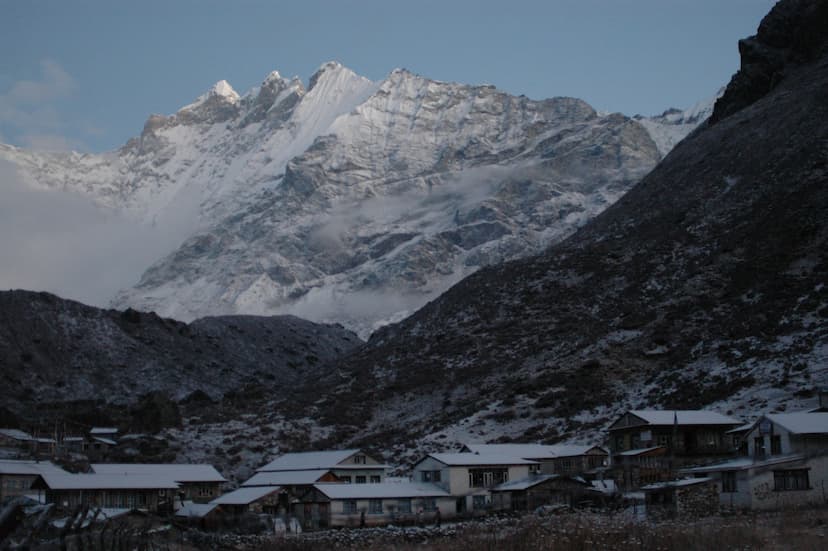
 0
0