Everest Base Camp Trek Cost, Guide for 2026, 2027
 byBy Suman Neupane
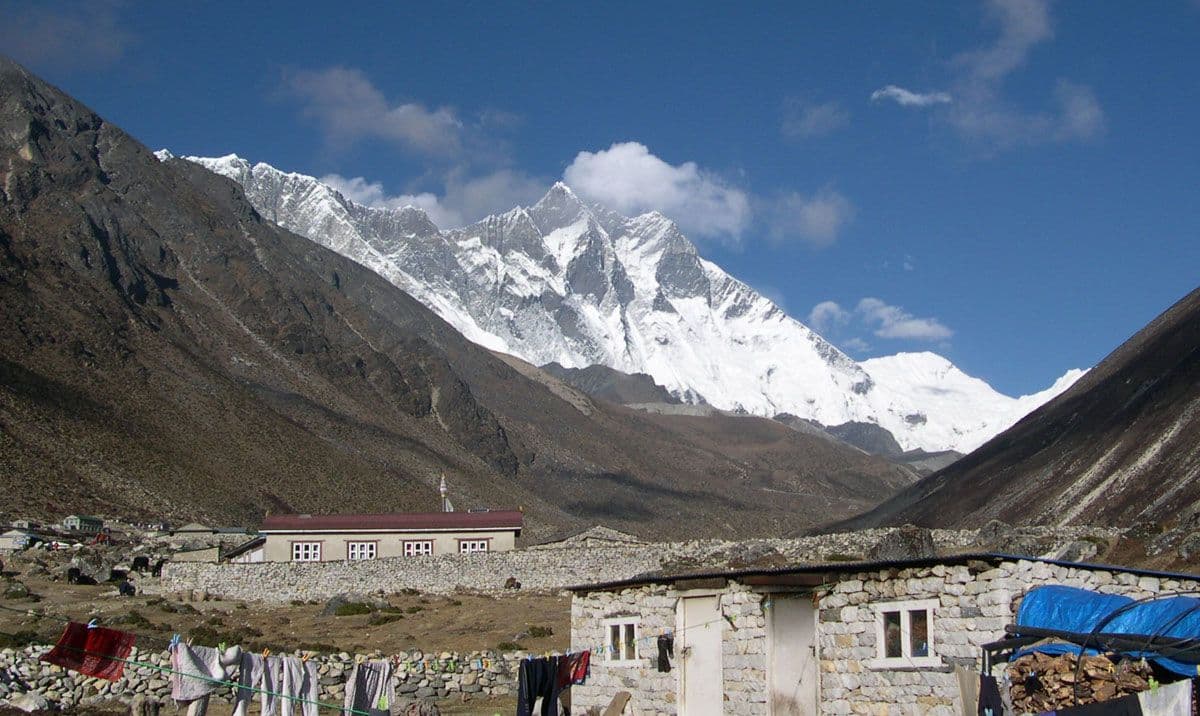
Everest Base Camp on the south side is located in Nepal at an altitude of 5,364 meters (17,598 feet). The classic Everest Base Camp Trek from Lukla takes around 12 to 14 days round trip, covering approximately 80 miles. Although this may sound like a long journey, you typically walk for only 9 days of the trek, averaging around 9 miles (14–15 km) per walking day. Along the way, you will pass through Namche Bazaar and several traditional Sherpa villages, experiencing the unique culture and stunning landscapes of the Khumbu valley.
The Everest Base Camp trek is a physical encounter, but it is a high-altitude hike rather than a technical climb. One of the main risks during the trek is altitude sickness, also known as Acute Mountain Sickness (AMS), which can affect trekkers as they ascend to higher elevations.
The cost is depends on your preferred trekking style (budget, standard, or luxury) whether you want to fly or take a helicopter. An Everest Base Camp trek in 2026, 2027 typically costs vary based on your style: budget independent options range from $1300 to $1600, while luxury packages with helicopter returns range from $3500 to $6500.
Fixed Costs and Permits:
- Sagarmatha National Park Permit: NPR 3,000 (approx. $23–$30).
- Khumbu Pasang Lhamu Rural Municipality Permit: NPR 3,000 (approx. $23–$30).
- Kathmandu to Lukla Flights: $416–$516 round-trip (From Kathmandu or Ramechhap/Manthali).
- The Guide: Licensed guides cost $25–$35 per day.
- Porter (Optional): $18–$25 per day
On-Trail Daily Expenses:
- Teahouse Accommodation: $5–$20 per night.
- Meals: $20–$35 per day, with prices increasing at higher altitudes.
- Extras (Charging, Wi-Fi, Hot Showers): $3–$10 per item or service, increasing further up the mountain
A Complete Guide for Everest base camp trek:
- Licensed guide: Require Nepal Government licensing, formal training (e.g., Nepal Academy of Tourism/NATHM), first aid certification, and language proficiency.
- Guide insurance: Mandatory coverage for medical emergencies, accidents, and helicopter rescue. It covers porters' medical costs for altitude sickness/injuries.
- Guide equipment: the guide has needed all cold weather gear for Everest base camp trekking.
Preparation and Safety Training:
- The death rate for the Everest Base Camp trek is extremely low, estimated at roughly 0.03% (or about 3 to 5 deaths per year out of tens of thousands of trekkers), which is very different from the much higher fatality rate of climbing to the Everest summit.
- Build cardio and leg strength 8 to 12 weeks prior.
- Acclimatization: Walk slowly, stay hydrated, and never skip rest days in Namche or Dingboche.
- Best Seasons: March to May (spring season) and October to November (autumn season), fair weather in Nepal.
Route and Itinerary:
- Fly from Kathmandu to Lukla (2,840 m), trek to Phakding (2,610 m).
- Trek to Namche Bazaar (3,440 m) for your first acclimatization day.
- Trek to Tengboche (3,860 m) to view the famous monastery.
- Continue via Dingboche (4,410 m) and Lobuche (4,940 m) to Gorak Shep (5,170 m).Hike to Everest Base Camp (5,364 m) and climb Kala Patthar (5,545 m) for sunrise views and finally return to Lukla and flight to Kathmandu.