Which peak climbing & Expeditions is best in autumn season?
 byBy Suman Neupane
Nepal is blessed with serene mountains and magnificent Himalayan ranges that provide breathtaking beauty throughout the country's highlands. Since 1949, Nepal's mountains have been officially open to climbers. Currently, the Government of Nepal has made 414 mountain peaks available for mountaineering and climbing activities. This has made Nepal one of the world's premier destinations for mountain enthusiasts, attracting climbers who wish to experience its diverse topography and achieve their mountaineering ambitions.
Autumn in Nepal begins in mid-September and lasts until the end of November. It is considered one of the best seasons for trekking and peak climbing. There are many reasons why travelers choose to visit Nepal during autumn. About 80 percent of Nepal's population follows Hinduism, and the country's biggest festivals, Dashain and Tihar (Deepawali), are celebrated during this season. Various flowers bloom across the hills and valleys, and the scenery becomes exceptionally beautiful with clear skies and stunning mountain views.
Nepal is renowned worldwide for adventure tourism. Peak climbing and mountaineering are among the country's most popular adventure activities. Mountain peaks in Nepal can generally be categorized into four groups based on their elevation. Peaks below 6,000 meters are free to climb. Peaks between 6,000 and 6,500 meters include 27 trekking peaks managed by the Nepal Mountaineering Association (NMA), a non-profit alpine organization. Nepal is also home to eight mountains above 8,000 meters, while peaks between 6,500 and 8,000 meters are managed directly by the Government of Nepal.
Some peaks are best climbed during the autumn season, while others are more challenging at this time of year. Although many climbers consider spring the ideal climbing season, autumn is also one of the best times for mountaineering due to its stable weather and excellent visibility.
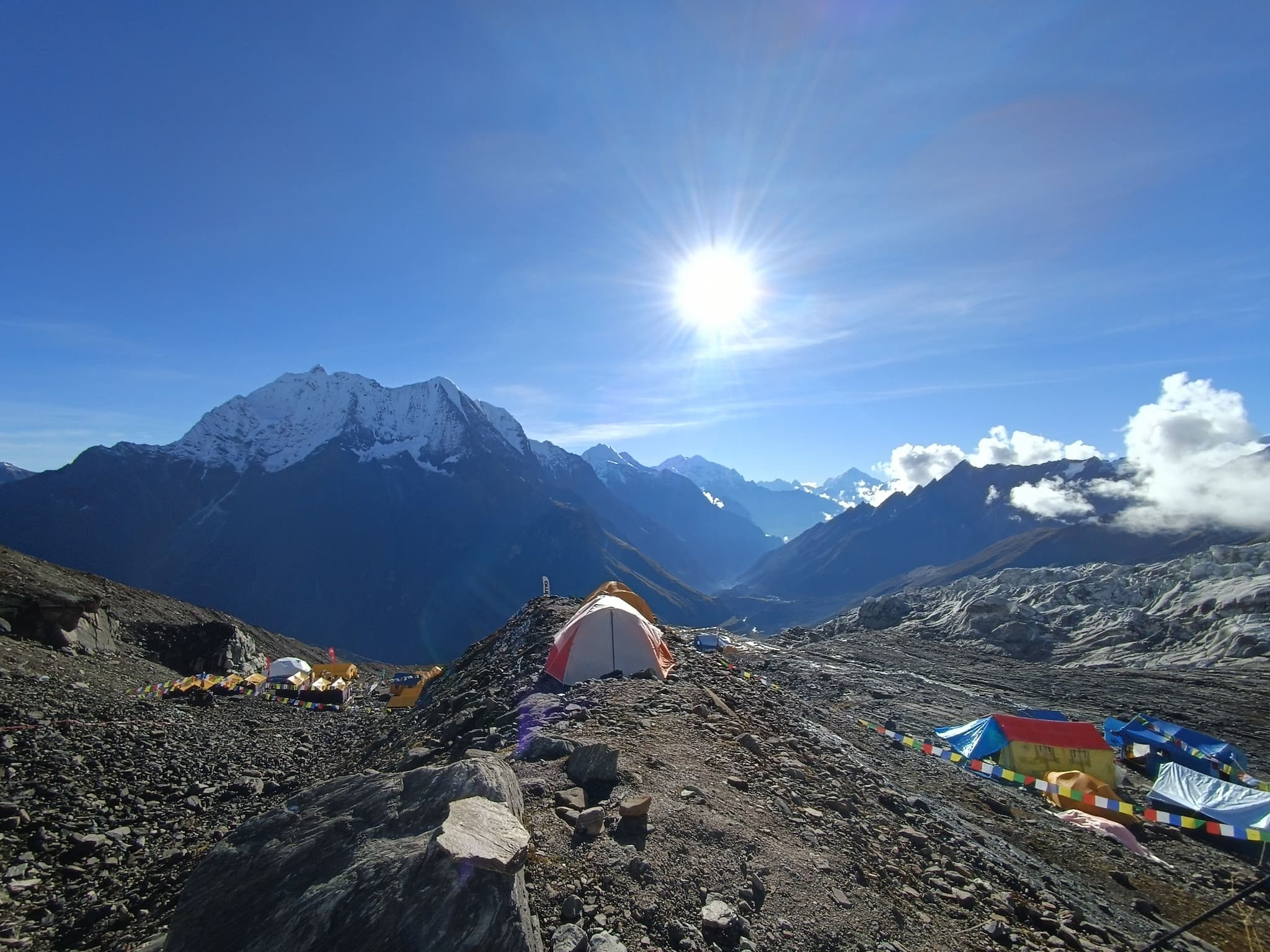
Among the 8,000-meter peaks, Mount Manaslu (8,163m) is one of the best options for an autumn expedition. Manaslu has become one of the most popular expedition peaks in recent years. The climbing season usually begins in early September, and many climbers are attracted by its relatively high success rate. A typical Manaslu expedition involves four high camps and generally takes between 25 and 35 days.
Recommended Peaks and Expeditions for Autumn
Ama Dablam Expedition (6,812m) : Ama Dablam is one of the most beautiful mountains in the Khumbu region. In our experience, almost every trekking and adventure enthusiast admires Ama Dablam for its spectacular shape and striking appearance. Ama Dablam is considered one of the most technical and challenging mountains to climb. Mountaineers must negotiate difficult rock, ice, and steep snow sections along the route. There are three camps on the mountain, and climbers generally make their summit attempt from Camp II. The expedition usually takes between 20 and 30 days.
Baruntse Expedition (7,129m) : Baruntse (7,129m) is located in eastern Nepal near Mount Makalu within Makalu Barun National Park. It is a remote mountain situated at the junction of three glacier valleys: the Imja, Hunku, and Barun Valleys. From Base Camp, climbers ascend the southeast ridge toward the West Col. While much of the route is straightforward, fixed ropes are required to climb a steep 50-degree ice wall leading to the West Col. Camp I is established at approximately 6,100m. From there, climbers continue up a long glacier to Camp II at around 6,400m. The summit push begins from Camp II and involves climbing steep ice slopes, mixed terrain, and a sharp ice shoulder at approximately 7,000m before reaching the summit ridge.
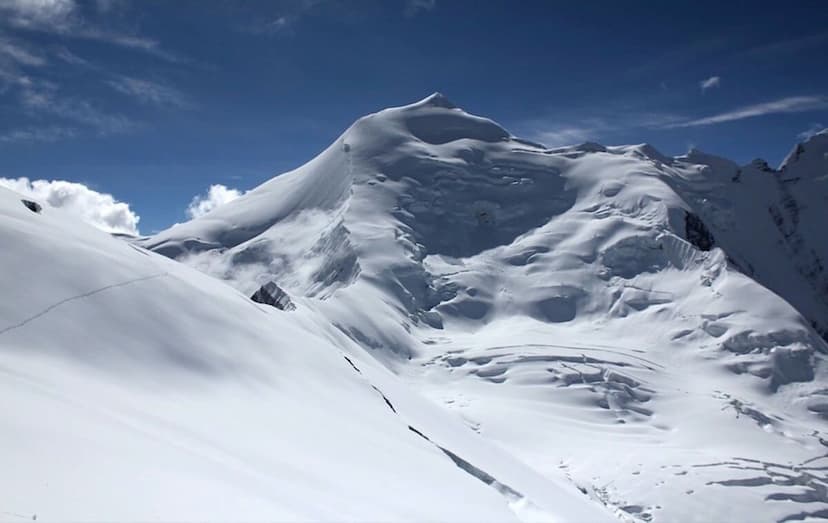
Himlung Himal Expedition (7,126m) : Himlung Himal (7,126m) is located in the Nar Phu Valley of the Annapurna region. Base Camp is situated at an elevation of 4,920m. Three higher camps are typically established at Camp I (5,450m), Camp II (6,000m), and Camp III (6,350m). The final section to the summit involves steep snow and icy terrain. Generally, it takes about 10 to 15 days from Base Camp to complete the climb and return.
Mera Peak (6,470m) : Among the 27 NMA-managed trekking peaks, Mera Peak (6,470m) is considered the easiest trekking peak in the Everest region. It is an excellent choice for beginner climbers who want to gain high-altitude mountaineering experience.
Island Peak and Lobuche East : Island Peak and Lobuche East are among the most popular commercial climbing peaks in Nepal. Both offer excellent opportunities for climbers seeking a moderate mountaineering challenge in the Everest region.
Kyajo Ri Peak (6,243m) : For climbers seeking a more challenging ascent in the Everest region, Kyajo Ri (6,243m) is an excellent option. It requires solid technical climbing skills and offers a rewarding mountaineering experience.
Kusum Kanguru (6,349m) : Adventure seekers looking for a demanding climb may consider Kusum Kanguru (6,349m). It is one of the more technical peaks in Nepal and is suitable for experienced climbers during the autumn season.
Langtang Region Peaks : In the Langtang Valley, Yala Peak (5,500m) is often regarded as a training peak and is ideal for beginners. Another excellent autumn objective is Langshisa Ri (6,422m), which offers a more challenging climb. Most expeditions in this region require approximately two weeks.
Annapurna Region Peaks : The Annapurna region offers several attractive climbing peaks, including Chulu West, Chulu East, Chulu Far East, and Chulu Central. Chulu West is particularly suitable during the autumn season, while Chulu East is considered one of the most difficult NMA trekking peaks. Another excellent climbing objective is Singu Chuli (6,501m), which generally has favorable climbing conditions in autumn. Climbers typically establish Camp I before making their summit attempt. Singu Chuli is located within the Annapurna Sanctuary near Annapurna Base Camp. Expeditions usually require between two and three weeks to complete.
Conclusion
Autumn is one of the finest seasons for peak climbing and mountaineering in Nepal. With stable weather, clear mountain views, vibrant festivals, and excellent climbing conditions, it offers opportunities for climbers of all experience levels. Whether you are a beginner aiming for Mera, Island Chulu, Lobuje Peaks or an experienced mountaineer seeking the challenge of Ama Dablam, Baruntse, Himlung Himal, or Manaslu, Nepal's autumn season provides unforgettable adventures in the Himalayas. For more information, contact email info@asianhikingteam.com or whatsapp: +9779841306857.