Dhaulagiri the Vital Challenge in the Himalayas
 byBy Suman Neupane
Intraduction
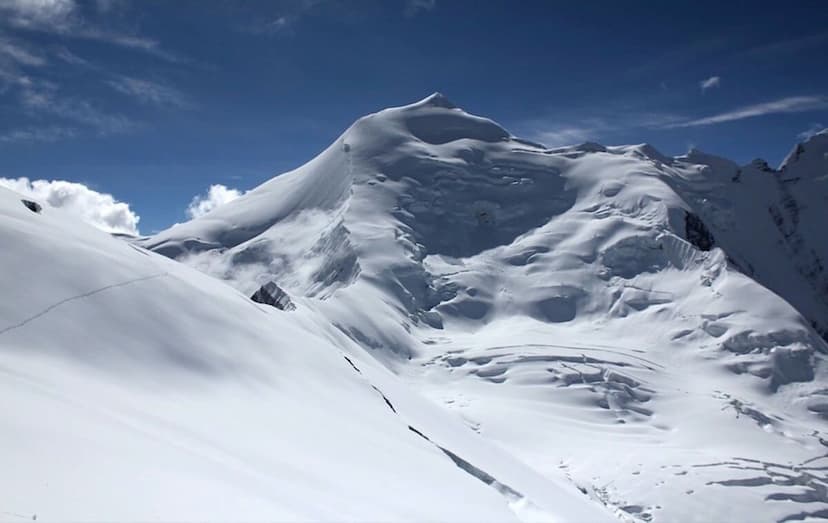
Dhaulagiri, standing at 8,167 meters (26,795 ft), Dhaulagiri I is the seventh-highest mountain on Earth located entirely within Nepal. Known as the "White Mountain," Dhaulagiri is one of the most demanding and remote 8,000-meter peaks in the Nepalese Himalayas.
Why is Dhaulagiri So Tough?
Dhaulagiri is often regarded as one of the toughest 8,000-meter mountains in the world.
-
Thrilling Altitude Above 8,000 meters lies the "Death Zone," where oxygen levels are approximately one-third of those at sea level. Climbers experience severe fatigue, slower recovery, and increased risk of altitude sickness.
-
Avalanche Risk The mountain is infamous for massive snow slopes and frequent avalanches. Many sections between Base Camp and Camp II are highly exposed to avalanche hazard.
-
Unadorned Weather Dhaulagiri is often called the "Mountain of Storms." High winds, heavy snowfall, and rapidly changing weather conditions can delay summit efforts.
-
Remote Location Reaching Dhaulagiri Base Camp requires a long trek through isolated valleys, making rescue operations difficult and time-consuming.
Technical Climbing
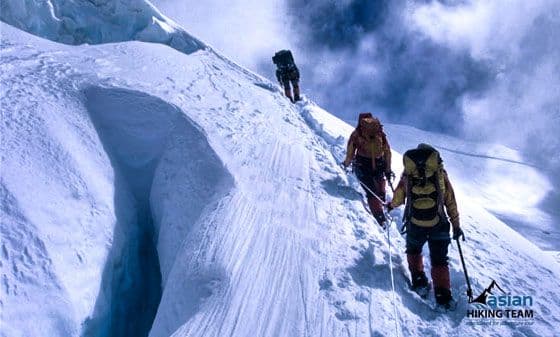
Although not as technically demanding as K2, Annapurna, climbers must navigate:
- Glacier crossings
- Crevasse fields
- Icefalls
- Steep snow slopes
- Fixed rope sections
- Exposed ridges
Dhaulagiri Expedition Route
The standard route follows the Northeast Ridge.
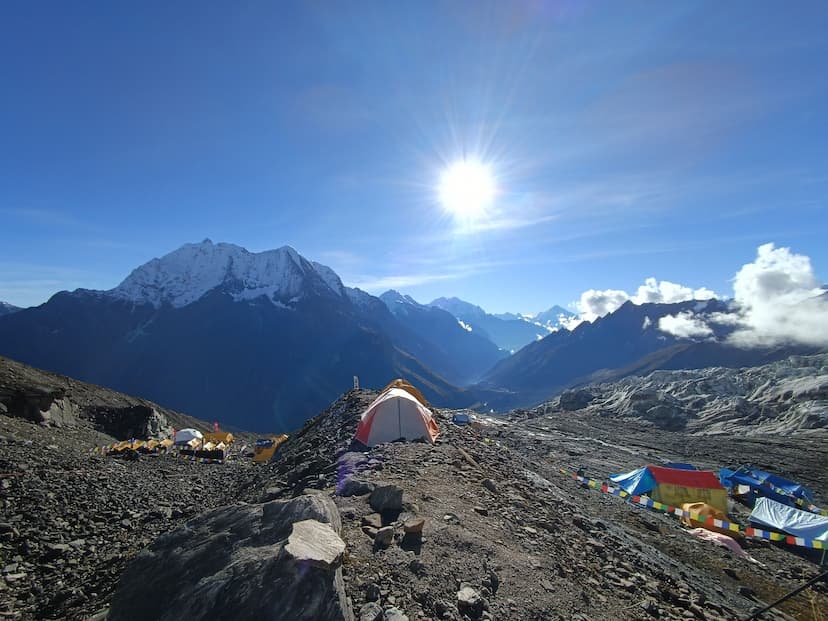
- Base Camp (4,750m): The expedition begins at Dhaulagiri Base Camp after trekking through remote western Nepal.
- Camp I (5,900m): Climbers cross glaciers and avalanche-prone terrain.
- Camp II (6,800m) :A steep section involving ice and snow climbing.
- Camp III (7,400m): Located high on the mountain, where climbers begin experiencing severe effects of altitude.
- Summit Push (8,167m): The summit day is long, exhausting, and highly dependent on weather conditions. Climbers typically leave Camp III at night and return after 12–18 hours of climbing.
Expedition Duration
A typical Dhaulagiri expedition lasts between 45 and 60 days.
Success Rate
- Historical Overall Approximately 20–22%
- Modern Guided Expeditions Approximately 24–28%
- Independent Climbers Approximately 12%
Success largely depends on:
- Weather conditions
- Team experience
- Acclimatization
- Sherpa support
- Route conditions
- Who Can Climb Dhaulagiri?
- Dhaulagiri is not suitable for beginner climbers.
- Ideal candidates should have:
- Experience above 6,500m
- Glacier travel skills
- Fixed rope climbing experience
- Ice axe and crampon proficiency
- Previous expedition experience
- Excellent physical fitness
Major Risks
- Altitude sickness (AMS, HAPE, HACE)
- Avalanches
- Crevasse falls
- Frostbite
- Severe storms
- Exhaustion
- Difficult rescue conditions
- Why Climb Dhaulagiri?
- One of Nepal's most remote 8,000m adventures
- Spectacular Himalayan scenery
- True expedition-style climbing
- Less crowded routes
- A prestigious achievement among mountaineers
Conclusion
The Dhaulagiri Expedition is a true test of fortitude, skill, patience, and determination. Standing at 8,167 meters, this splendid Himalayan giant demands respect from every climber who attempts it. With proper homework, experienced guides, strong Sherpa support, and favorable weather, reaching the summit of Dhaulagiri becomes a treasured achievement and one of the utmost accomplishments in high-altitude mountaineering.