Impact on Nepal's Climate

 bySuman Neupane
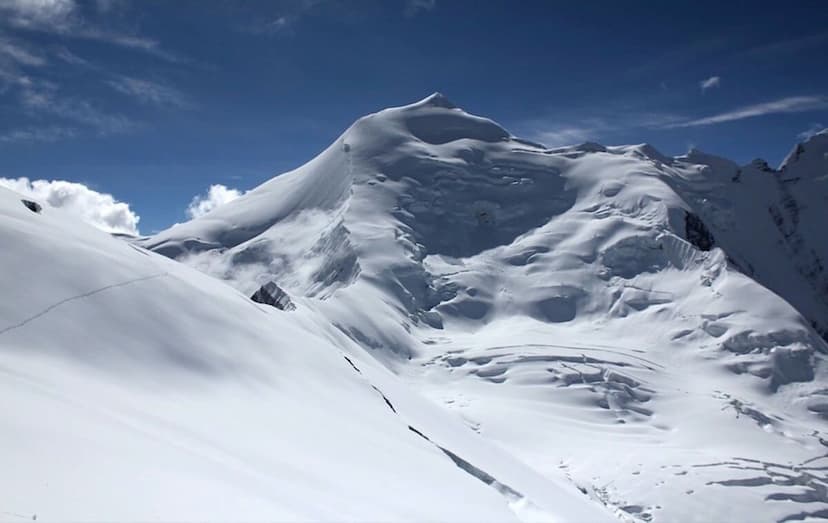
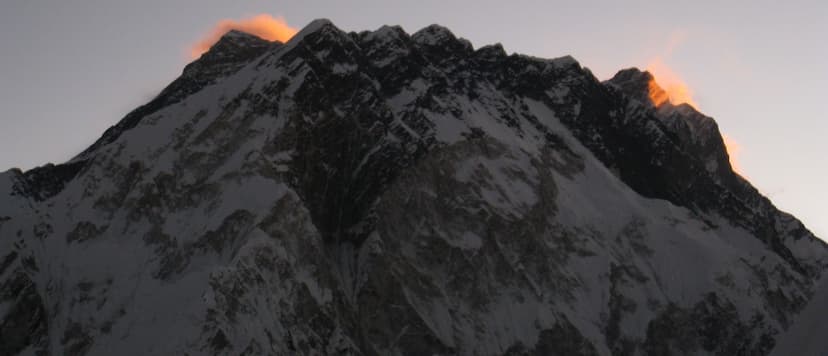
When we image Nepal, we visualize majestic, snow-capped peaks, tranquil landscapes, and a rhythm of life verbalized by ancient seasons. But this postcard image is undergoing a dramatic and disturbing transformation. The impressions of global warming are now starkly visible across the Himalayan nation, reshaping its environment and stimulating the lives of millions.
The weather outlines have become a source of deep uncertainty. The foreseeable cycles of seasons are dying. Winters are shorter and warmer, with less snowfall at lower altitudes. When the snow does come, it’s often unreliable. The monsoon, once a reliable clock, is now instable arriving late, departing early, or unleashing its fury in intense, concentrated bursts. This leads to devastating landslides and floods, destroying homes and farmland.
Climate changes are having a radical effect on Nepal, increasing natural disasters like floods, landslides, and glacial lake outburst floods due to climbing temperatures and erratic rainfall. These changes severely effect livelihoods through effects on agriculture, water resources, and biodiversity, and can even force communities to relocate.
Risky weather events
Increased floods and landslides: More intense rainfall washes away soil and destabilizes slopes, leading to more frequent and severe landslides and floods.
Icy melt: Melting glaciers and permafrost are increasing the risk of GLOFs, which can damage substructure and threaten downstream communities.
Droughts: Despite a potential increase in overall annual rainfall, the country is also suffering more frequent droughts and dry spells, which strain water resources.
Impacts on livelihoods and economy
Agriculture: The backbone of Nepal's economy is suffering from unpredictable rain, drought, and risky heat, leading to lower crop yields, food anxiety, and loss of income for farmers.
Water scarcity: Changes in the monsoon and snowmelt are affecting the availability of drinking water and water for irrigation, forcing some communities to relocate due to a lack of water.
Economic variability: The loss of livestock due to poor pasture conditions and declining income from selling dairy products threatens the rural economy.
Ecosystem and infrastructure trouble
Biodiversity loss: Wildlife habitats are changing, forcing animals to shift to higher altitudes. Freshwater fish populations are particularly vulnerable to rising water temperatures.
Infrastructure damage: Extreme weather events put infrastructure like hydropower plants, roads, and homes at risk. Habitat dilapidation: Melting permafrost exposes loose soil that is easily eroded, and traditional building structures may not be able to withstand more intense rainfall.
The message from the rooftop of the world is clear and vital. Nepal, despite its minimal contribution to global emissions, is on the front lines of the climate crisis. The changing weather, melting snow, and unpredictable seasons are not abstract concepts here; they are daily reality. Addressing this isn’t just about preserving beauty—it’s about ensuring livelihoods. The time for global action is now, before the rhythms of the Himalayas are silenced forever.