A Winter Trek over the Annapurna Foothills

 byBy Suman Neupane
Winter in Nepal has a quiet magic that often goes unnoticed. While spring and autumn snip the spotlight, the colder months divulge a softer, more intimate side of the Himalayas. The winter air in Pokhara was sharp and clear, carrying a quality of distant ice.
Fewer crowds, crystal-clear skies, and snow-dusted villages make winter an unexpectedly perfect time to explore the Ghorepani–Poon Hill–Ghandruk circuit trek, especially for travelers seeking a short and gratifying trekking experience. The first days were a climb through a world quiet by cold. Rhododendron forests, which blaze crimson in spring, stood as involved skeletons wearing lace shawls of frost. The usual chatter of trekking groups was absent; our footsteps on the stone trails and the occasional chime of a mule’s bell were the only sounds. We ascended through villages like Ulleri, where smoke curled from chimneys into the brilliant blue sky, and the warmth of a tea house felt like a paragon. Ghorepani village, perched on a ridge, feels like a cozy mountain hidey-hole during winter. Stone houses with smoking chimneys offer warmth after a cold day’s walk. The highlight for many is the early-morning hike to Poon Hill.
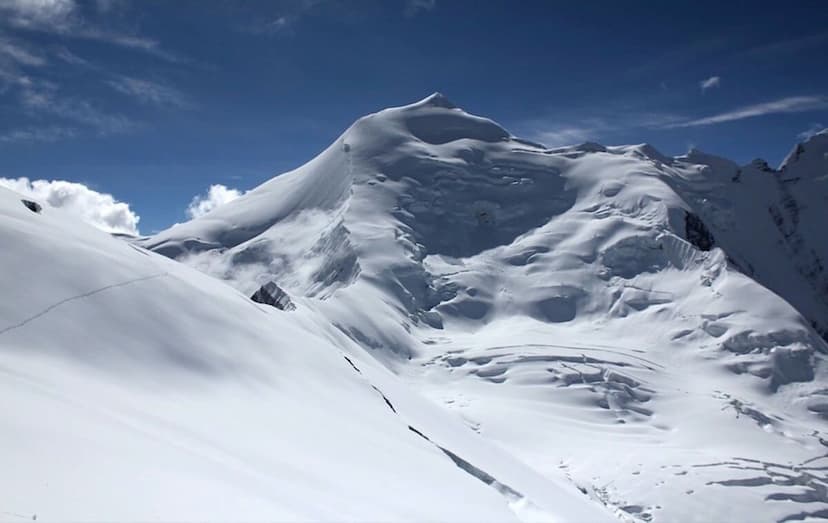
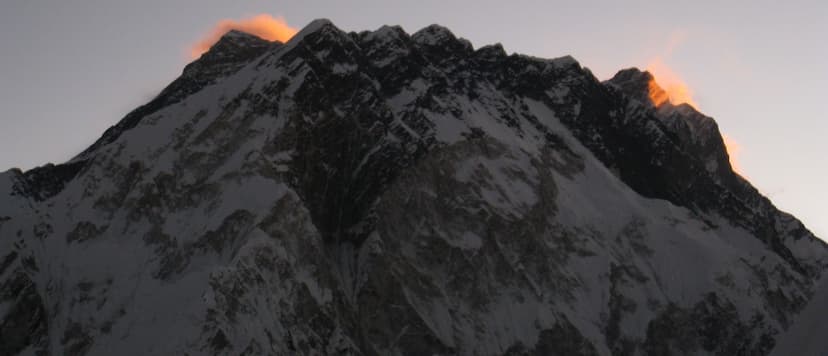
The climb to Poon Hill was a pilgrimage in the dark, guided by headlamps and the glittering arc of the Milky Way. As dawn broke, the Himalayan giants Dhaulagiri, Annapurna South, and Machhapuchhre revealed themselves not in fiery sunrise hues but in a slow, gentle lighting. They glowed with a serene, blue-white light against the pale sky, immense and silent. The famous 360-degree panorama was not a chaotic postcard but a profound, homochromatic masterpiece, all the more powerful for its stillness.
One of the rewards of trekking this circuit in winter is comfort. The trails are less busy, teahouses are more welcoming, and the mountain views are often clearer than in other seasons. While temperatures can drop, especially in the mornings and evenings, proper clothing makes the experience both manageable and unforgettable.
The trek to Ghandruk felt like entering a different story. The trails were dusted with snow, winding through pristine forests and across icy streams. The villages were quieter and friendlier. When Ghandruk appeared, it was a breathtaking sight: hundreds of stone houses with slate roofs terraced into a steep mountainside, all facing the majestic fishtail peak of Machhapuchhre. In winter, the village wasn’t draped in blooming flowers, but in an honorable peace. I spent hours by a dhunge dhara, a traditional stone water spout, at the Gurung Monastery and the Gurung Culture Museum, watching village life persist with resilient warmth—women weaving by windowsills and children chasing each other in the cold sun.
The Ghorepani–Poon Hill–Ghandruk circuit is ideal for those who want a taste of Himalayan trekking without committing to long or strenuous routes. In winter, it becomes more than just a trek; it’s a peaceful escape into nature, culture, and silence.
Sitting that final evening, a cup of local wine in hand, I realized the gift of a winter trek. It wasn’t the ease of long, sunny days, but the clarity. The cold had bared the landscape to its essence: the stark beauty of the mountains, the geometric lines of the terraces, and the profound hospitality of a hearth in the snow.